
Horticulture - Program Overview
-
Register for Fall 2026 classes
Get registration details and learn how to apply.
Fall classes start Monday, Aug. 17. View Fall semester classes
Summer schedule: Campus buildings closed Fridays and weekends, June 8–July 31. View summer hours
Work to provide food and protect the environment
Today’s horticulture industry goes way beyond traditional landscaping and floral design. Use science to grow plants, trees, fruits and vegetables. Collaborate with farmers and community agriculture groups to create safe, nutritious food for people and animals to consume.
The field of horticulture quickly evolves to address current sustainability issues, whether in plant production, landscape design, or natural areas management. By studying horticulture, you become equipped to help protect our environment and ecosystem.
Our graduates become arborists, growers, retailers, landscape managers, landscape designers, turf managers, forestry experts, natural areas managers, public garden employees and more!
Why study Horticulture with us?
The Horticulture program at CLC incorporates sustainability topics and advice from industry experts into your curriculum. This better prepares you to work in the green industry. CLC has 105 acres of turf grass and 66 acres combined of wetlands, prairie and woodland natural areas.
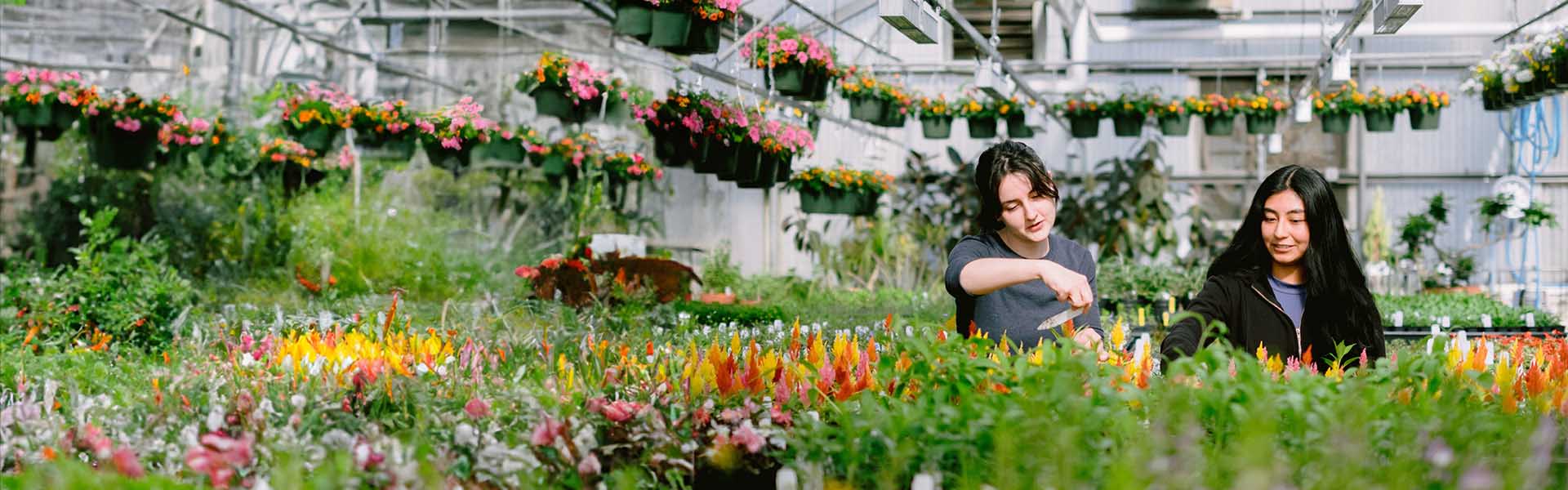
Experience hands-on learning in state-of-the-art facilities, including hoop houses that extend the growing season and an apiary. Staff and student workers manage the Campus Farm, which grows vegetables, flowers and herbs.
Explore dual-certificate options
Combine these certificates for complimentary skill sets that enhance your employment options:
- Design + Landscape Maintenance
- Landscape Maintenance + Arboriculture
- Landscape Maintenance + Natural Areas Management
- Arboriculture + Natural Areas Management
- Horticulture Production + Sustainable Agriculture
Highlights
-
Stackable Credentials
Earn college credits you can apply toward a certificate or degree. -
Financial Aid / Scholarship Opportunities
Explore ways to pay for college (based on need/achievement). -
Career Certificate
Gain in-demand technical and job-ready skills by earning a certificate in 1 year or less. -
Career Degree
Gain in-demand technical and job-ready skills by earning an associate degree in 2 years.
Campus is buzzing
Follow us on Facebook to stay informed with the latest information for current and prospective Horticulture students.
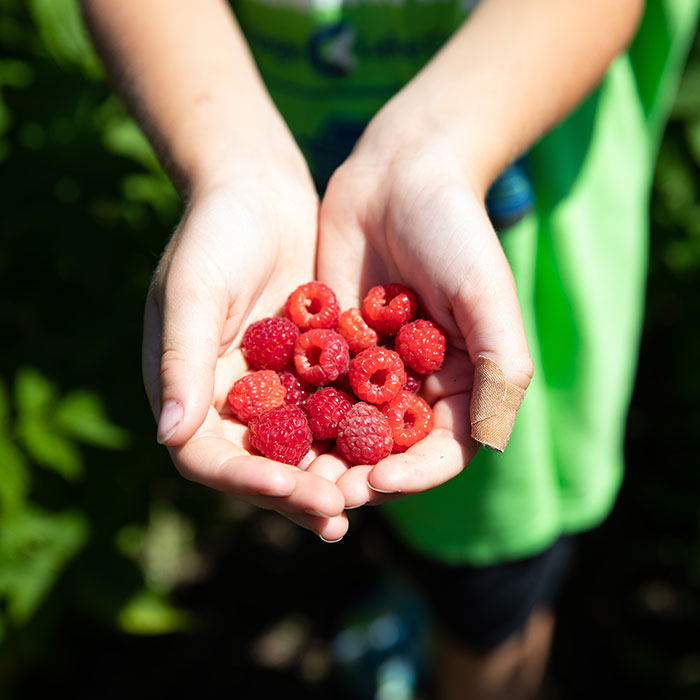
By the way, did you know we sell delicious organic veggies, berries and herbs harvested from our Campus Farm? Follow us on Instagram to find our freshest food offerings.
Career Degrees & Certificates
For degree-seeking students who want to start a new career or advance their current career.
Full-time students can earn an Associate Degree in Applied Science (A.A.S.) at CLC in two years. Gain job-ready skills from experienced instructors and work-based experience from apprenticeships and internships. Some of the courses can even earn college credits, which can transfer to a 4-year college or university to apply toward a bachelor's degree.
For certificate-seeking students who want to earn job skills for entry-level occupations or increase their career opportunities.
You can complete a certificate in less than two years. Many certificate programs include career degree courses, allowing you to stack certificates toward an A.A.S. degree.
Need help getting started?
Ask us for help. Your College & Career Navigator (CCN) will help you:
- complete the admission process
- choose an academic program
- enroll in first-semester classes
- get access to helpful resources
-
Career Certificate
Arboriculture Certificate
- Cost
- $3,560* (estimated)
-
Career Degree
Horticulture A.A.S.
Associate in Applied Science- Cost
- $11,036* (estimated)
-
Career Certificate
Horticulture Production Certificate
- Cost
- $3,560* (estimated)
-
Career Certificate
Landscape Construction & Maintenance Certificate
- Cost
- $3,560* (estimated)
-
Career Certificate
Landscape Design Certificate
- Cost
- $3,560* (estimated)
-
Career Certificate
Natural Areas Management Certificate
- Cost
- $3,738* (estimated)
-
Career Certificate
Sustainable Agriculture Certificate
- Cost
- $3,560* (estimated)
*Estimated cost is based on the minimum number of credit hours to complete the program. This estimate includes in-district tuition and comprehensive fees for the 2026-2027 academic year, before financial aid, including grants, loans and scholarships, is applied. Actual cost may vary to include additional fees, materials and other cost of attendance factors such as living expenses, transportation, etc. Explore opportunities for financial assistance at CLC. Learn more about the Cost of Attendance.
Courses in the program
We offer a wide range of courses in horticulture, sustainable agriculture, soils, green business and entrepreneurship, environmental biology—and so much more!
Meet our instructors
Experience the benefit of small class sizes and personalized instruction from your CLC instructors.
Department chair

Faculty

What students say about CLC
Take the next step...
Afford college
Earn a degree or certificate with little to no debt through low tuition, financial aid and scholarships.
Explore careers
Discover majors and career paths to complement and extend your intuitive interests and abilities.
Request info
Your education is a big investment of your time, money and attention. Gather all the info you need.
Get started
Start your application today—it’s free and easy to complete. When you’re ready, we’re ready to help you take the next step.